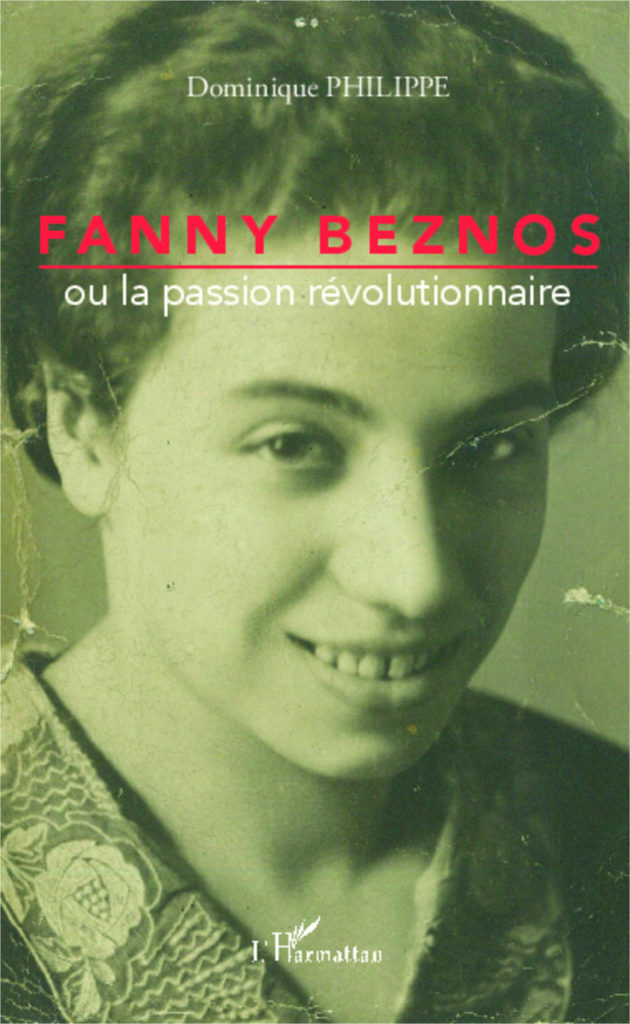
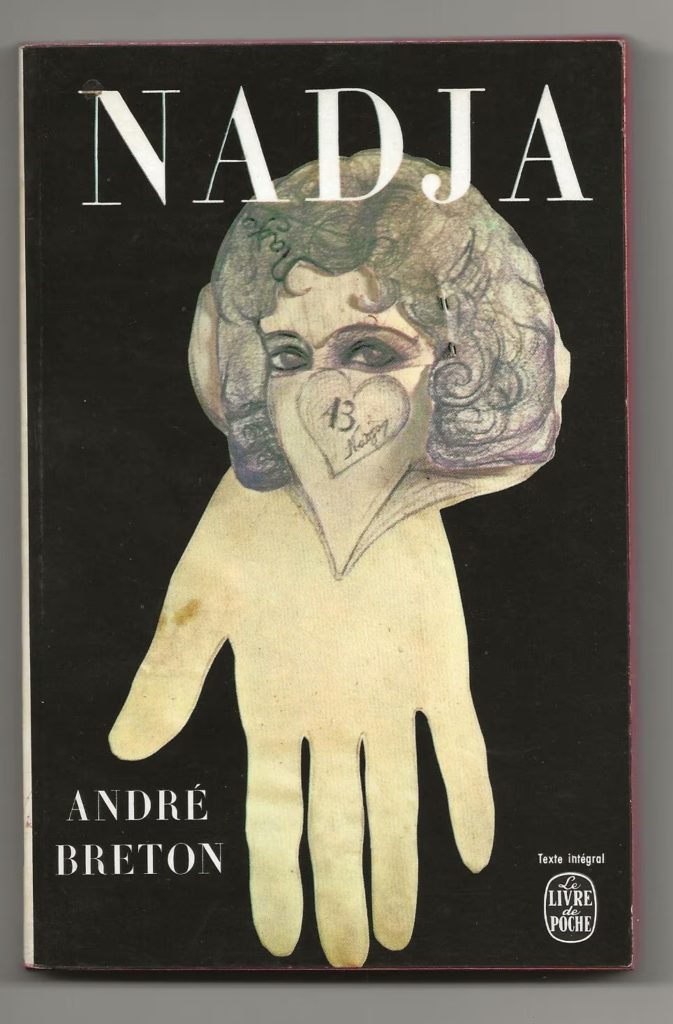
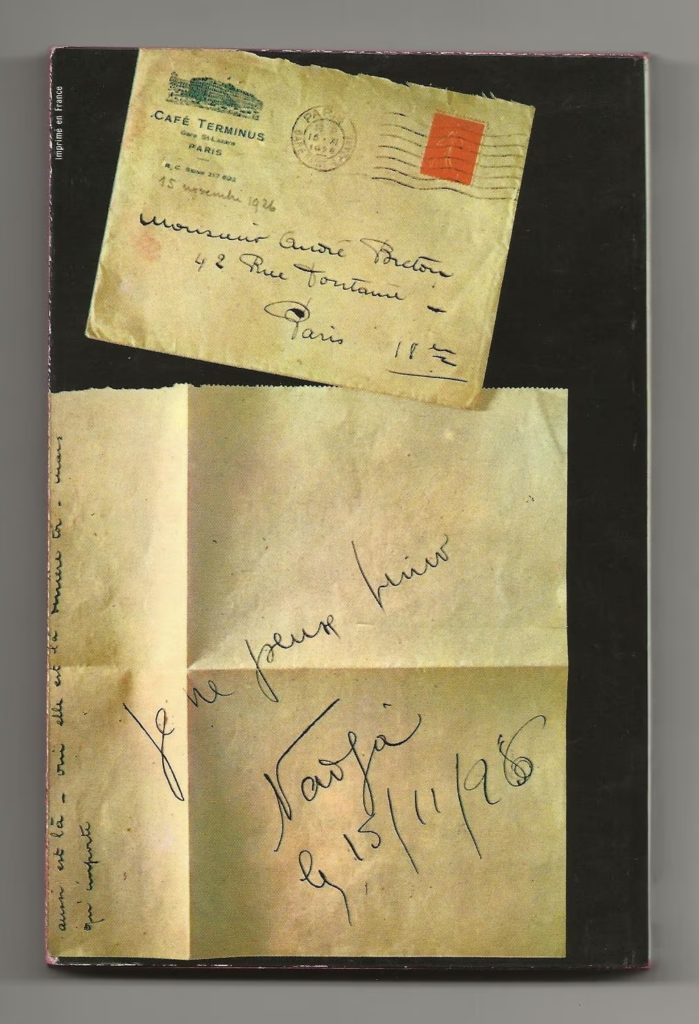
” Le pouvoir d’incantation que Rimbaud exerça sur moi vers 1915 et qui, depuis lors, s’est quintessencié en de rares poèmes tels que Dévotion est sans doute à cette époque, ce qui m’a valu, un jour où je me promenais seul sous une pluie battante, de rencontrer une jeune fille la première à m’adresser la parole, qui, sans préambule, comme nous faisions quelques pas, s’offrit à me réciter un des poèmes qu’elle préférait : Le Dormeur du Val. C’était si inattendu, si peu de saison. Tout récemment encore, comme un dimanche, avec un ami, je m’étais rendu au ” marché aux puces ” de Saint-Ouen (j’y suis souvent, en quête de ces objets qu’on ne trouve nulle part ailleurs, démodés, fragmentés, inutilisables, presque incompréhensibles, pervers enfin au sens où je l’entends et où je l’aime, comme par exemple cette sorte de demi-cylindre blanc irrégulier, verni, présentant des reliefs et des dépressions sans signification pour moi, strié d’horizontales et de verticales rouges et vertes, précieusement contenu dans un écrin, sous une devise en langue italienne, que j’ai ramené chez moi et dont à bien l’examiner j’ai fini par admettre qu’il ne correspond qu’à la statistique, établie dans les trois dimensions, de la population d’une ville de telle à telle année, ce qui pour cela ne me le rend pas plus lisible) notre attention s’est portée simultanément sur un exemplaire très frais des Oeuvres complètes de Rimbaud, perdu dans un très mince étalage de chiffons, de photographies jaunies du siècle dernier, de livres sans valeur et de cuillers en fer. Bien m’en prend de le feuilleter, le temps d’y découvrir deux feuillets intercalés : l’un copie à la machine d’un poème de forme libre, l’autre notation au crayon de réflexions sur Nietzsche. Mais celle qui veille assez distraitement tout près ne me laisse pas le temps d’en apprendre davantage. L’ouvrage n’est pas à vendre, les documents qu’il abrite lui appartiennent. C’est encore une jeune fille, très rieuse. Elle continue à parler avec beaucoup d’animation à quelqu’un qui paraît être un ouvrier qu’elle connaît, et qui l’écoute, semble-t-il, avec ravissement. À notre tour, nous engageons la conversation avec elle. Très cultivée, elle ne fait aucune difficulté à nous entretenir de ses goûts littéraires qui la portent vers Shelley, Nietzsche et Rimbaud. Spontanément, elle nous parle même des surréalistes, et du Paysan de Paris de Louis Aragon qu’elle n’a pu lire jusqu’au bout, les variations sur le mot Pessimisme l’ayant arrêtée. Dans tous ses propos passe une grande foi révolutionnaire. Très volontiers, elle me confie le poème d’elle que j’avais entrevu et y joint quelques autres de non moindre intérêt. Elle s’appelle Fanny Beznos. ” (Nadja. Livre de poche n° 1233. 1964. pp. 58-63)
” Beznos Fajga, dite Fanny, épouse Jacquemotte.
Née le 10 janvier 1907 à Wady Roskow (Bessarabie, région située actuellement entre la république de Moldavie et l’Ukraine). Morte au camp de concentration d’Auschwitz (Pologne) le 24 octobre 1942. Militante communiste, résistante, déportée, épouse de Fernand Jacquemotte.
Fajga Beznos est née dans une famille juive, d’un père, Gerch Natftoulevitch Beznos, marchand de draps, et d’une mère matelassière, parents de huit enfants dont quatre ont survécu. Le père a fait la guerre contre le Japon. En 1913, la famille émigre en France où vit une sœur de sa mère.
Le père ouvre un petit magasin d’antiquités, la mère poursuit son métier, une sœur aînée devient couturière. Fanny Beznos fait ses études primaires à Paris. Après avoir travaillé dans un atelier de reliure, elle suit des cours de sténodactylo et commence à travailler comme telle à quinze ans. L’une de ses deux sœurs cadettes, également dactylo, travaillera à L’Humanité et à la Correspondance internationale.
À dix-huit ans, Fanny Beznos commence à lire la presse communiste. En 1926, elle adhère à la Jeune garde antifasciste de l’ARAC (Association républicaine des anciens combattants) et en dirige bientôt la section féminine. En 1927, elle rentre à la Jeunesse communiste. En août 1928, arrêtée lors d’une manifestation contre la guerre, elle est expulsée en Belgique.
Accueillie par le Parti communiste de Belgique (PCB), Fanny Beznos est embauchée comme dactylo au secrétariat du PC mais connait encore expulsions et séjours illégaux entre la Belgique et le Grand-Duché de Luxembourg. Le 30 décembre 1929, elle épouse, dans une ville du nord de la France dont le maire est communiste, Fernand Jacquemotte, neveu de Joseph Jacquemotte, fondateur du PCB, lui-même militant international des Amitiés avec l’Union soviétique. Ce mariage blanc deviendra mariage d’amour.
Fanny Beznos se lance alors dans une activité militante intense. Elle occupe diverses fonctions bruxelloises et nationales, notamment dans les organisations féminines du parti. Devenue dirigeante de la Jeunesse communiste, elle gère la librairie du parti, rue des Alexiens à Bruxelles, lieu de rencontre et de formation.
Fin 1933, Fanny Beznos accompagne, durant quelques mois, son mari en mission en Espagne pour les Amis de l’Union soviétique. Elle anime ensuite l’Union des femmes contre la guerre et la misère qui se transformera en Comité mondial des femmes contre la guerre et le fascisme (CMF), section belge. Elle est déléguée au Congrès de 1934 à Paris. Elle dirige ensuite la fraction communiste au Comité de secours à l’Espagne et au Congrès du PCB de 1939, elle présente le rapport sur l’action communiste en faveur de la République. Elle entre ensuite au Secrétariat des Jeunesses communistes et est ensuite secrétaire du Secours Populaire.
Meetinguiste de rue, militante infatigable, Fanny Beznos est aussi une amie exigeante pour ses compagnes. Elle exerce une véritable fascination, un magnétisme dont se font l’écho toutes celles que nous avons pu interroger. Beaucoup d’entre elles lui doivent un engagement dont elles n’ont pas dévié. Elles évoquent toutes son rire et son courage quand il s’agira de faire face.
C’est comme militante du CMF que Fanny Beznos anime l’action antifasciste, la solidarité avec Liselotte Herman – condamnée à mort par Hitler –, l’aide à l’Espagne, l’accueil des enfants.
Le 10 mai 1940, Fernand et Fanny Jacquemotte sont arrêtés par le Gouvernement belge et déportés en France. Fanny séjourne trois mois au camp de Gurs dans les Pyrénées Atlantiques en France dont elle sort grâce à l’intervention et au culot d’un avocat communiste bruxellois.
Le retour en Belgique signifie la reprise de l’activité militante de Fanny Beznos aux Amis de l’URSS, encore légaux, et au parti semi-légal. Elle participe aux manifestations des femmes pour le pain et les pommes de terre dans les rues de Bruxelles. Mais à la même époque, comme plusieurs communistes bessarabiens, elle introduit une demande d’émigration en URSS. Mais le 22 juin 1941, son mari est arrêté en province. Elle plonge alors dans l’illégalité.
Le 10 octobre 1941, Fanny Beznos est arrêtée à Bruxelles lors d’une réunion clandestine avec, notamment, l’ancien député Pierre Bosson, alors membre du Bureau politique et trésorier du parti. Incarcérée à Saint-Gilles, puis déportée à Ravensbruck (Nord de Berlin, Allemagne), où elle connaît le Strafblok (bloc disciplinaire), elle demeure l’animatrice de ses camarades de captivité. Signe révélateur des incertitudes initiales, elle avait commis l’erreur de se faire enregistrer comme juive au début de l’Occupation. Envoyée à Auschwitz, elle y disparaît sans laisser de trace.
Dans la mémoire collective de sa génération, Fanny Beznos-Jacquemotte symbolise la militante et le prosélytisme communistes. Elle incarne à la perfection la trajectoire des immigrés juifs communistes qui avaient épousé totalement la culture et l’idéologie de leur patrie nouvelle : la révolution. “
Dictionnaire biographique du mouvement ouvrier et social. Notice rédigée par José Gotovitch.